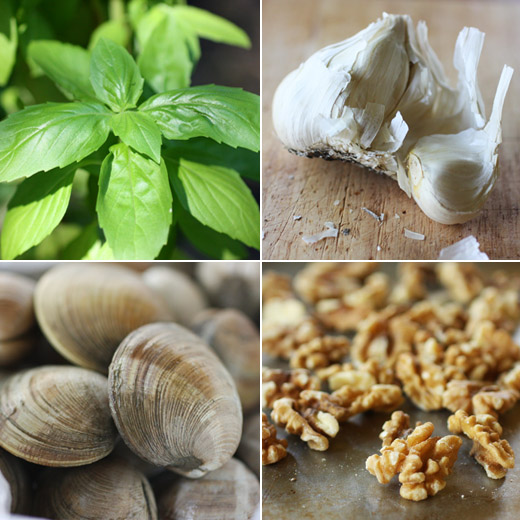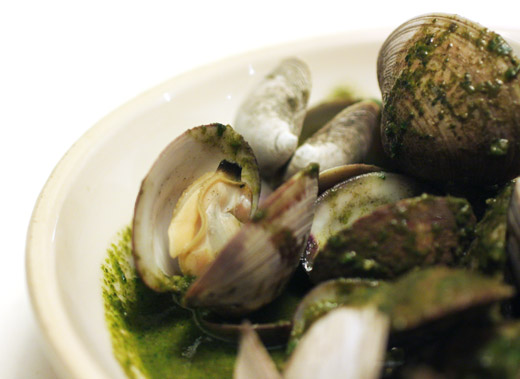
 , and I received a review copy. It acts as a guide to all the issues surrounding how to choose fish, and then it provides great ideas for turning those fish into meals. Seaver explains that the best way to work towards restoration of marine ecosystems is to support the fisheries that are working responsibly and enjoy the best choices we have with lots of seasonal vegetables. And, the book assists with just that. You won't find recipes for overfished species like bluefin and yellowfin tuna, but there are several ideas for other, sustainably caught species of fish. Since some fish are seasonal, the book is organized in sections from spring to winter with side dishes and sauces made from vegetables and herbs available at each time of year. There's also an additional section for all the types of seafood that are available year round. So far, I've tried the mussels with IPA and roasted garlic and the grilled okra with charred onion dip. Both were simple dishes with big flavors. Others I look forward to trying are warm poached salmon in red wine sauce, smoked sardines with mixed greens and fig-olive dressing, pumpkin and pear panzanella with pumpkin-seed vinaigrette, and the smoked salmon and goat cheese sandwich to name a few.Since clams, as well as mussels and oysters, are a sustainably farmed option and are always available, and since my basil plants are still going strong, I couldn't wait to try the clams with basil pesto dish. Seaver prefers the sweetness in walnuts to the flavor of pine nuts for his basil pesto. So, walnuts were toasted, and then they were tossed in a colander to remove some of the skins. Another difference with this pesto was the choice of mostly canola oil with just a little added extra virgin olive oil. The two oils and some garlic were placed in a blender and pureed, and then basil leaves and walnuts were added and blended until smooth. Then, littleneck clams were steamed in white wine. When open, the clams were transferred to a serving bowl, the cooking broth was poured into a mixing bowl while leaving any sand in the pot, and the basil pesto and some butter were stirred into the broth to form a sauce. The sauce was poured over the clams, and toasted bread was served on the side. The flavors were bright and fresh, and we used the bread to capture every bit of the sauce.